Guide
Living with intention.
The case for designed days, not optimized ones. Not another productivity system, not another morning routine, but the quiet practice of meeting the day on purpose, one threshold at a time.
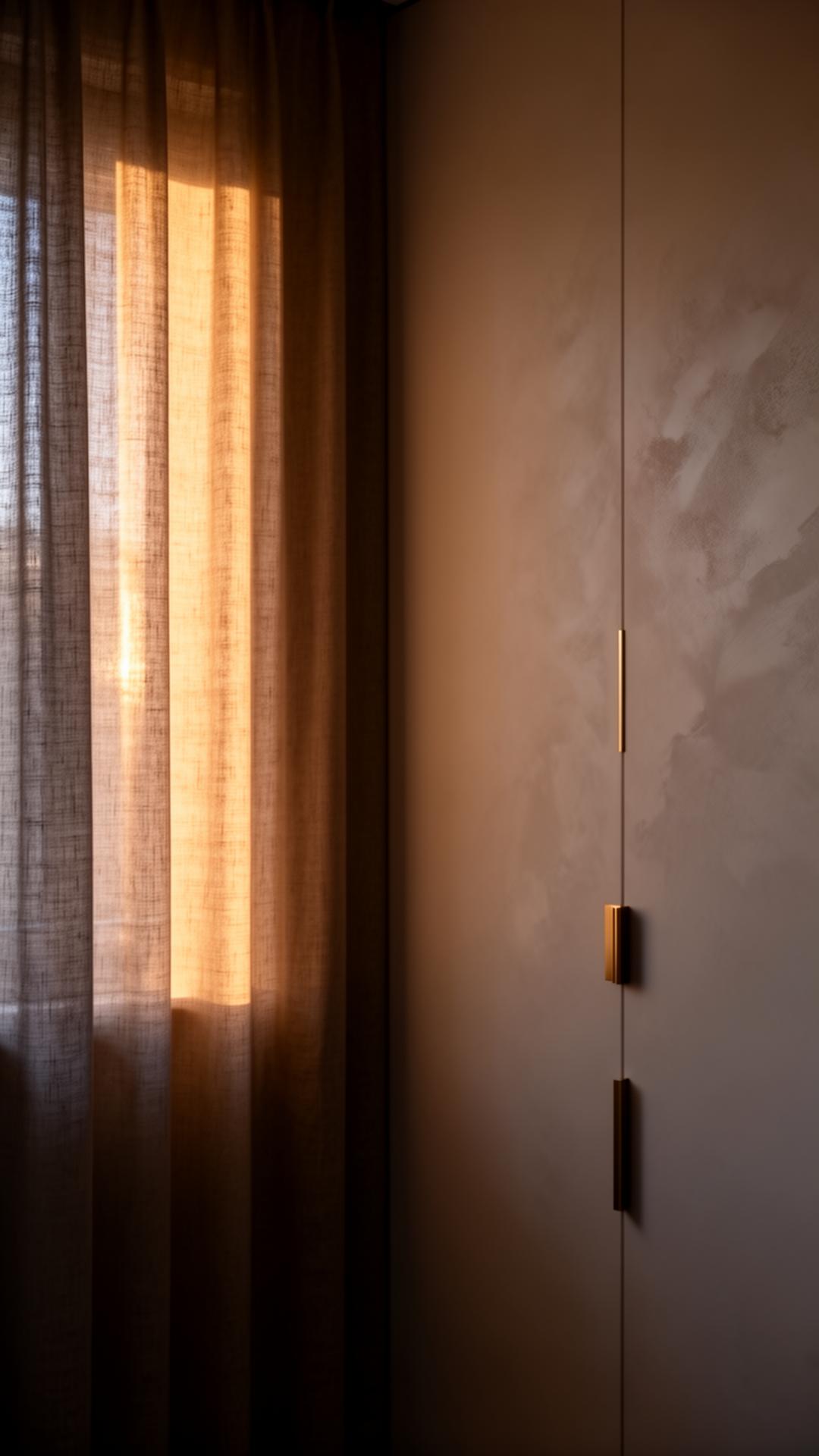
The case for designed days, not optimized ones. Not another productivity system, not another morning routine, but the quiet practice of meeting the day on purpose, one threshold at a time.
"Intentional living" has been worn smooth by overuse. It has collected morning routines, gratitude journals, and color-coded calendars until it sounds like one more thing to keep up with. We mean something quieter by it.
To live with intention is not to do more, plan more, or optimize more. It is to meet the hour you are in on purpose, rather than by the default the day was going to hand you anyway. That is the whole of it. Everything else is method.
Productivity asks how much you can get done. Intention asks what is worth doing, and how it should feel while you do it. The two can coexist, but they answer different questions, and confusing them is how intentional living becomes another optimization project that quietly exhausts you.
A productive day with no intention behind it is a long list of completed tasks you cannot remember. An intentional day with very little done can still be a day you recognize as your own.
A day has more thresholds than we treat it as having. The first cup of coffee. The shift from morning work to afternoon. The close of the workday. The arrival home. The hour before sleep. Most of them pass without being marked. We move from one to the next on momentum, and the day ends without ever quite beginning.
Living with intention is, mostly, the practice of marking the thresholds you care about. Not all of them, two or three is plenty. Choose them on purpose, and treat them the same way each day until the room itself begins to carry the gesture.
A week of this and the threshold begins to carry itself. You walk into the room and your shoulders drop before you have decided to relax. That is what living with intention feels like in practice, not effort, but recognition.
Most advice about intentional living puts the burden on the person: more discipline, more journaling, more self-awareness. We think this is backward. A room arranged for presence makes intentional moments the path of least resistance. A room arranged for distraction makes them an act of force.
This is the move from wellness to Modern Sanctuary: the quiet recognition that environment does more than willpower. You do not have to be a more disciplined person to live with intention. You have to live in a room that makes intention simple to find.
Living with intention means making the small decisions of a day on purpose rather than by default. It is not a personality trait or a productivity system. It is the simple practice of noticing, this is the room I am in, this is the hour I am in, and choosing how to meet it.
Productivity asks how much you can get done. Intentional living asks what is worth doing, and how it should feel while you do it. The two are not enemies, but they answer different questions. One is a metric, the other is a posture.
Pick one threshold in your day, the close of work, the start of dinner, the last hour before sleep, and design it on purpose. Lower the light, remove the phone, add one repeated gesture. The rest of the day follows the thresholds you mark.
No. Morning routines are one tool, not the whole practice. A single deliberate moment anywhere in the day does more than an elaborate routine you cannot keep. Choose the smallest version you can repeat.
No. Minimalism is about how much you own. Intentional living is about how you meet what is in front of you. You can live with very little and still on autopilot, or live among many things and meet each one on purpose.
More than willpower does. A room arranged for presence makes intentional moments the path of least resistance; a room arranged for distraction makes them an act of force. This is the work of designed atmosphere, and it is why we build the objects we do.
For the room itself, our guide on How to Make Your Home a Sanctuary goes deeper on the practical side. The philosophy covers the wider reframe, and the ecosystem shows the objects we build for it.
Occasional letters on the small architecture of an intentional day. Sent when we have something specific to add, not on a calendar.